Coin Treasure Hunting Uncovered: How Ancient Coin Hoards Reveal Rare Coin Collections and Antique Coin Artifacts
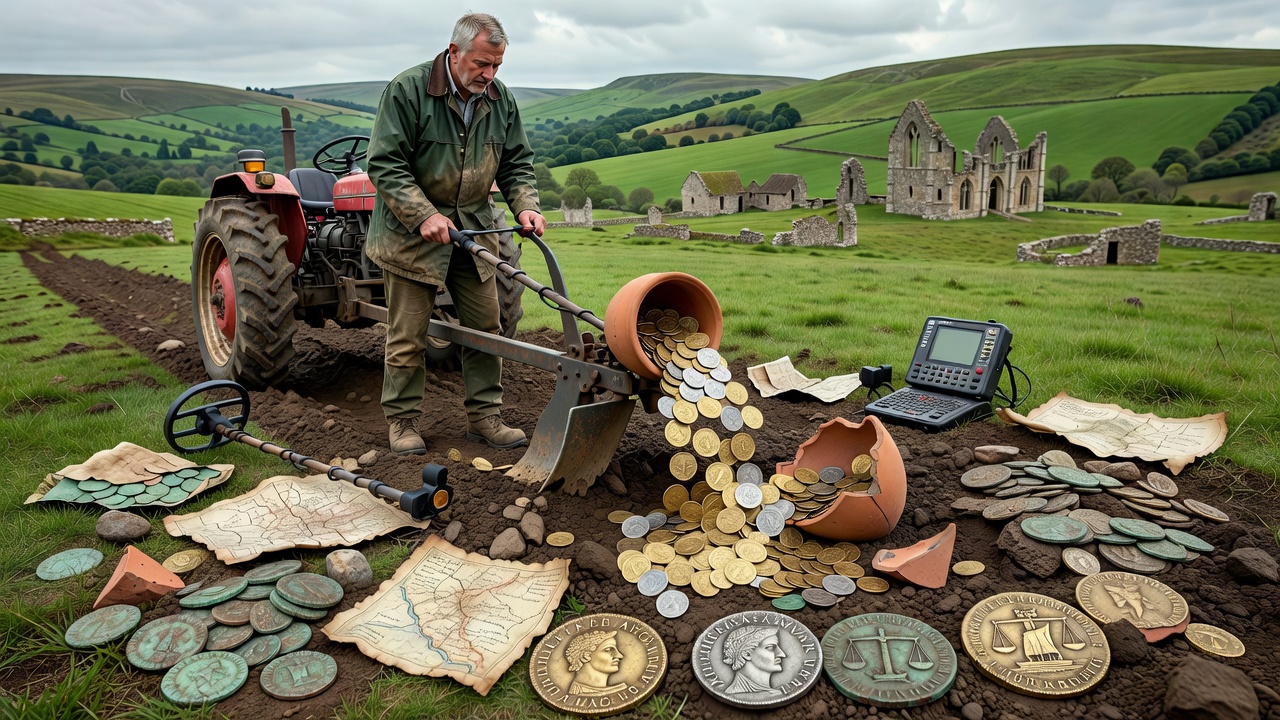
A farmer plowing a field in rural England in 2009 struck metal seven inches below the surface and unearthed over 1,500 pieces of gold and silver, later valued in the millions. This kind of discovery is not a fluke of luck alone. It is the product of a discipline that blends archaeology, metallurgy, and patience - coin treasure hunting. Behind every buried hoard lies a story of commerce, conflict, or concealment that stretches back centuries, sometimes millennia.
What makes this pursuit compelling is not just the monetary value of gold and silver, but what the coins themselves reveal about the people who minted, spent, and hid them. A single denarius from a Roman legionary's pay can tell you more about troop movements than a textbook chapter. For those drawn to the thrill of discovery without a shovel in hand, modern entertainment has found ways to capture that same excitement - the 3 coin treasures features found in certain digital slot games echo the same appeal of uncovering layered riches, just without the dirt under your fingernails. Whether the interest is academic, financial, or purely recreational, the appeal of a rare coin collection built from historical hoards never seems to fade.
This piece examines how coin treasure hunting actually works, what separates a legitimate hoard from a scattered handful of old coins, and why ancient coin hoards continue to reshape our understanding of extinct economies.
What Coin Treasure Hunting Really Involves
Coin treasure hunting is often mistaken for a hobby built purely on metal detectors and blind optimism. In practice, it demands a working knowledge of geography, historical trade routes, and soil composition. Successful hunters study old maps, land records, and battle sites before ever stepping into a field.
The Tools and Techniques Behind Every Find
Metal detectors remain the primary instrument, but their effectiveness depends entirely on the operator's understanding of signal discrimination - distinguishing a silver coin's return from a bottle cap or nail. Ground-penetrating radar has entered the field for larger surveys, particularly on sites suspected of holding buried containers like pots or chests. Hand tools, soil probes, and simple note-taking about depth and orientation matter just as much as the electronics.
Legal and Ethical Boundaries Every Hunter Must Know
Laws governing coin treasure hunting vary sharply by country. In the United Kingdom, the Treasure Act requires finders to report certain discoveries to a coroner within a set timeframe. In the United States, rules shift depending on whether the land is private, state-owned, or federal. Hunting without permission, or ignoring reporting laws, can strip a genuine discovery of both its legal standing and its historical value.
Why Location Research Outperforms Random Digging
Historical record research - old census data, tax rolls, abandoned settlement maps - consistently outperforms random detecting. Hunters who study where markets, garrisons, or trade posts once stood find hoards at a far higher rate than those relying on chance alone.
- Old property deeds and boundary disputes often hint at buried caches from disputes over land ownership
- Riverbanks and ford crossings were common hiding spots due to easy retrieval and natural landmarks
- Sites near former religious buildings sometimes yield coins hidden during periods of political upheaval
Ancient Coin Hoards: Windows Into Lost Economies
Ancient coin hoards are not random accumulations. They are deliberate acts of concealment, usually tied to a specific threat - invasion, taxation, or personal crisis. When a hoard surfaces intact, it freezes a moment in economic history.
Roman and Greek Hoards That Rewrote Historical Timelines
Roman hoards, in particular, have helped historians pin down the debasement of silver currency during periods of military overspending. When a hoard contains coins from multiple emperors, numismatists can trace how quickly currency purity declined, offering a direct measure of economic strain that written records alone rarely capture with such precision.
Why Hoards Were Buried in the First Place
Most ancient coin hoards were buried for safekeeping during unstable periods - wars, raids, succession crises - with the clear intention of retrieval. The fact that so many were never reclaimed tells its own grim story: the owner likely died, fled permanently, or lost track of the site entirely.
Reading the Composition of a Hoard
The mix of denominations within a hoard offers clues about the owner's status. A merchant's hoard tends to show a broad range of values suited for daily transactions, while a soldier's cache often contains uniform denominations tied to standardized military pay.
Coin Treasure Features That Signal Authenticity and Value
Not every old coin pulled from the ground carries historical or financial weight. Distinguishing genuine treasure from common debris requires attention to specific, identifiable coin treasure features.
Metal Composition and Weight as Primary Indicators
Gold and silver hoards from before the medieval period tend to follow strict weight standards set by the issuing authority. Coins that deviate significantly from known standards may indicate forgeries, later imitations, or provincial mints operating outside central control - each of which changes the coin's historical and market value.
Minting Marks, Inscriptions, and Portraiture
Mint marks and inscriptions narrow down a coin's origin to a specific city, ruler, or even year. Portraiture style shifts noticeably across reigns, giving trained eyes a fast way to estimate a coin's age before formal analysis.
Wear Patterns and Burial Context
Heavy circulation wear suggests a coin spent years changing hands before burial, while sharp, well-preserved edges point to a coin buried shortly after minting. Burial context - depth, surrounding materials, container type - often matters as much as the coin itself when establishing a full historical picture.
- Uniform patina across a hoard suggests coins buried together at one time
- Mixed corrosion levels may indicate coins added to a cache over multiple years
- Container remnants like leather or ceramic fragments help date the burial event independently of the coins
Building a Rare Coin Collection From Historical Finds
Turning individual discoveries into a coherent rare coin collection requires more discipline than simply accumulating old money. Serious collectors approach it with the same rigor as archivists.
Setting Focus: Era, Region, or Ruler
Collections built around a narrow focus - a specific dynasty, mint city, or century - tend to hold more historical and financial coherence than scattershot accumulations. This focus also makes provenance research far more manageable.
Provenance Documentation and Its Long-Term Value
A coin without documented provenance is worth considerably less than one with a traceable ownership and discovery history. Collectors who invest early in proper documentation - findspot records, prior ownership, conservation reports - protect both the historical and resale value of their holdings.
Balancing Historical Significance With Market Demand
Rarity alone doesn't guarantee value. A coin from an obscure, poorly documented mint might be historically fascinating but commercially overlooked, while a moderately rare coin from a well-known emperor often commands a stronger market price due to collector demand.
Antique Coin Artifacts and Their Role in Historical Research
Beyond their monetary appeal, antique coin artifacts function as primary source material for historians and archaeologists studying periods with limited written records.
Coins as Primary Evidence in Archaeological Dating
Archaeologists frequently use coins to date entire excavation layers. A single identifiable coin found in a sealed context can establish a firm earliest-possible date for everything buried alongside it, a technique far more reliable than pottery style alone in many cases.
Symbolism and Iconography on Ancient Currency
The images stamped onto coins - deities, rulers, animals, architectural monuments - reveal propaganda strategies and cultural priorities of their time. A coin celebrating a military victory tells researchers exactly which conflict mattered enough to commemorate in circulating currency.
Preservation Challenges for Fragile Antique Pieces
Long burial exposes coins to corrosive soil chemistry, moisture, and mineral deposits that can obscure or damage surface details permanently. Conservation specialists use controlled cleaning methods, avoiding abrasive techniques that strip away both corrosion and the fine details beneath it.
Where Coin Treasure Hunting Meets Modern Collecting Culture
The line between amateur discovery and serious numismatics has blurred considerably. Museums, auction houses, and private collectors now compete for access to freshly reported hoards.
Auction Houses and the Modern Coin Market
Major auction houses have built entire departments around ancient and medieval coinage, with hoard-sourced pieces often commanding premium prices due to their documented findspots and historical narrative.
Museums, Public Reporting, and Shared Historical Ownership
In countries with strong treasure reporting laws, significant finds often end up partially or fully in museum collections, ensuring public access rather than disappearing into private vaults indefinitely.
The Rise of Detecting Communities and Shared Knowledge
Online detecting communities now share regional research, legal updates, and site history at a pace unimaginable a generation ago, accelerating both the frequency and the documentation quality of new finds.
Frequently Asked Questions
Do I need a permit to search for coin hoards on private land?
In most jurisdictions, yes - you need explicit written permission from the landowner before searching, regardless of whether you use a metal detector or dig by hand. Some regions additionally require a separate government-issued permit for archaeological-sensitive areas.
What happens if I find a hoard on someone else's property?
Ownership and reward arrangements typically depend on local treasure laws, which often split value or ownership rights between the finder and landowner. Reporting the find to the appropriate heritage authority is usually mandatory before any coins can be sold or kept.
How can I tell if an old coin is genuinely ancient or a modern replica?
Genuine ancient coins usually show irregular, hand-struck edges, natural wear patterns, and metal composition consistent with period-accurate minting techniques. Replicas often have machine-perfect edges, incorrect weight, or anachronistic imagery that a numismatist can identify quickly.
Why do some hoards contain coins from multiple different centuries?
Coins remained in circulation for generations before modern currency systems standardized replacement cycles, so a hoard buried at one moment can easily contain coins minted decades or even a century earlier. This mix helps historians estimate the earliest possible burial date.
Is it better to sell individual coins or keep a collection intact?
Collections with documented thematic coherence - same hoard, region, or ruler - generally hold stronger long-term value intact than when broken apart and sold piecemeal. Buyers, especially institutions, often pay a premium for a complete, well-documented set over scattered individual pieces.
What should I do immediately after finding a coin I suspect is ancient?
Stop digging immediately, photograph the coin and surrounding soil context without cleaning it, and contact your local archaeological or heritage authority for guidance. Cleaning or removing surface material before proper documentation can destroy evidence needed to date and authenticate the find.